The Himalayas
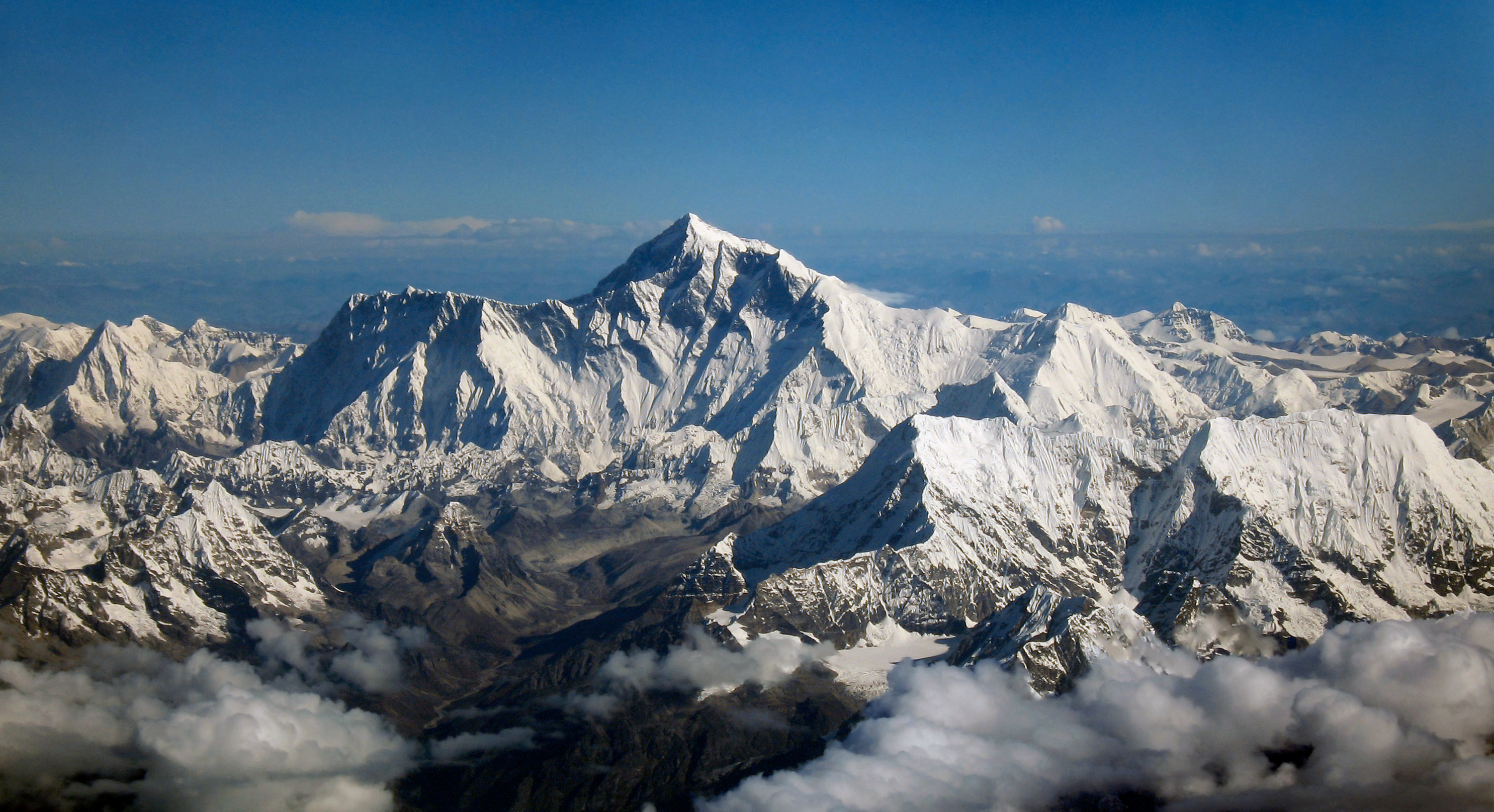
The Himalayas hold the highest ground on Earth. People have come to climb them for more than a century, and someone has been writing down what happened. We know who walked in on every expedition, who reached the top, who came back, and who did not.
The Conquest
The British walked toward Everest in 1921 looking for a way up. For three decades expeditions returned, first from the Tibetan side and then from Nepal, attempting ridges and faces no team had climbed. Hillary and Tenzing reached the summit in May 1953. Each colored line on the map is one of sixteen major routes climbers used between 1924 and 1996.
The Turn
In the 1970s, fewer than five percent of Himalayan expeditions used a trekking agency. By the 2010s the share was above 98 percent, and the number of expeditions each year had grown roughly tenfold.
The death rate did not move with the growth. Climbers died at roughly the same rate in the 2010s as in the 1970s. The dashed lines mark the worst seasons: the 1996 Everest storm, the 2014 icefall avalanche, and the 2015 earthquake.
The Cost
957 climbers died on a Himalayan peak above 5,000 meters. Each dot is one of them, placed at the altitude where they died.
We split the dots by role, orange for hired staff and blue for clients. Hired staff die lower on the mountain, with a median of 6,400 meters. Clients die higher, with a median of 7,000.
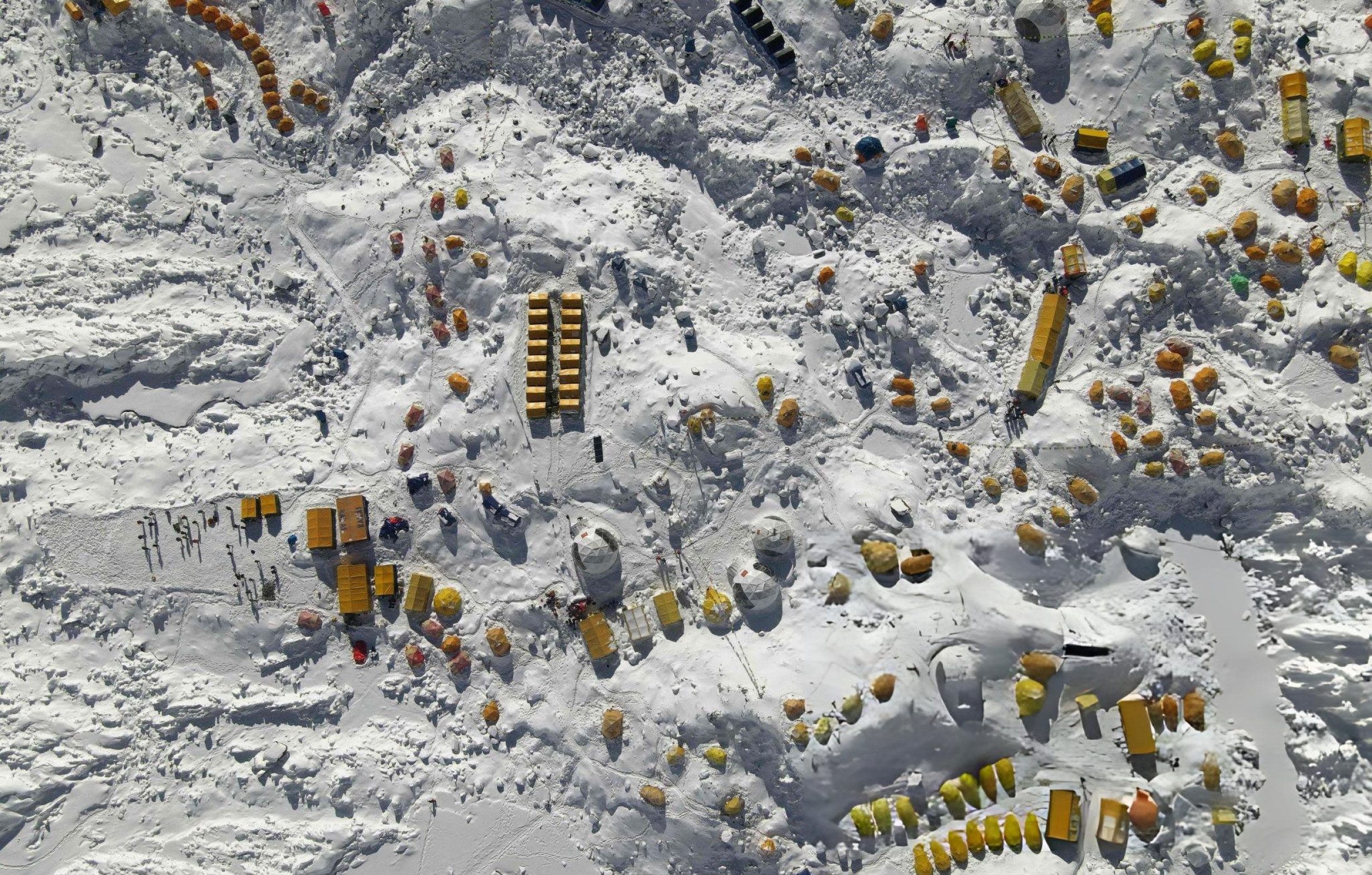
On Everest alone, the gap grows. The median hired-staff death sits at 5,800 meters, near the icefall and the lower camps. The median client death is at 8,200 meters, above the South Col. The two are 2,400 vertical meters apart.
In the full database, 318 of 15,731 hired staff died on Himalayan expeditions, a death rate of two percent. Among 60,788 clients on those same mountains, 788 died, a rate of 1.3 percent. Hired staff die more often.